Where it runs.
On your own hardware or European infrastructure you choose. A model’s origin does not determine where it runs.
CODLAB · AI from Europe
Our product line uses Paris-based Mistral. Data flows, external services and operating responsibilities are clarified for the specific offering. Bespoke projects use open models on your hardware or selected European infrastructure.
The question that matters
Sovereignty begins when you decide how your AI works. We make those decisions part of the architecture.
On your own hardware or European infrastructure you choose. A model’s origin does not determine where it runs.
You define access rights, approved sources and responsibilities. We account for them in retrieval, processing and logging.
We plan data flows, retention and approvals with you. Documented interfaces keep model selection and deployment choices open to change.
From a principle to a system
We connect open models to your business data and workflows. Your requirements for operation and control shape the architecture.
In the environment you choose
RAG connects approved documents to answers with traceable sources.
AI engineeringTools and workflows with limited permissions and defined approvals for actions.
AI solutionsApplications and interfaces for your existing systems, with documented architecture.
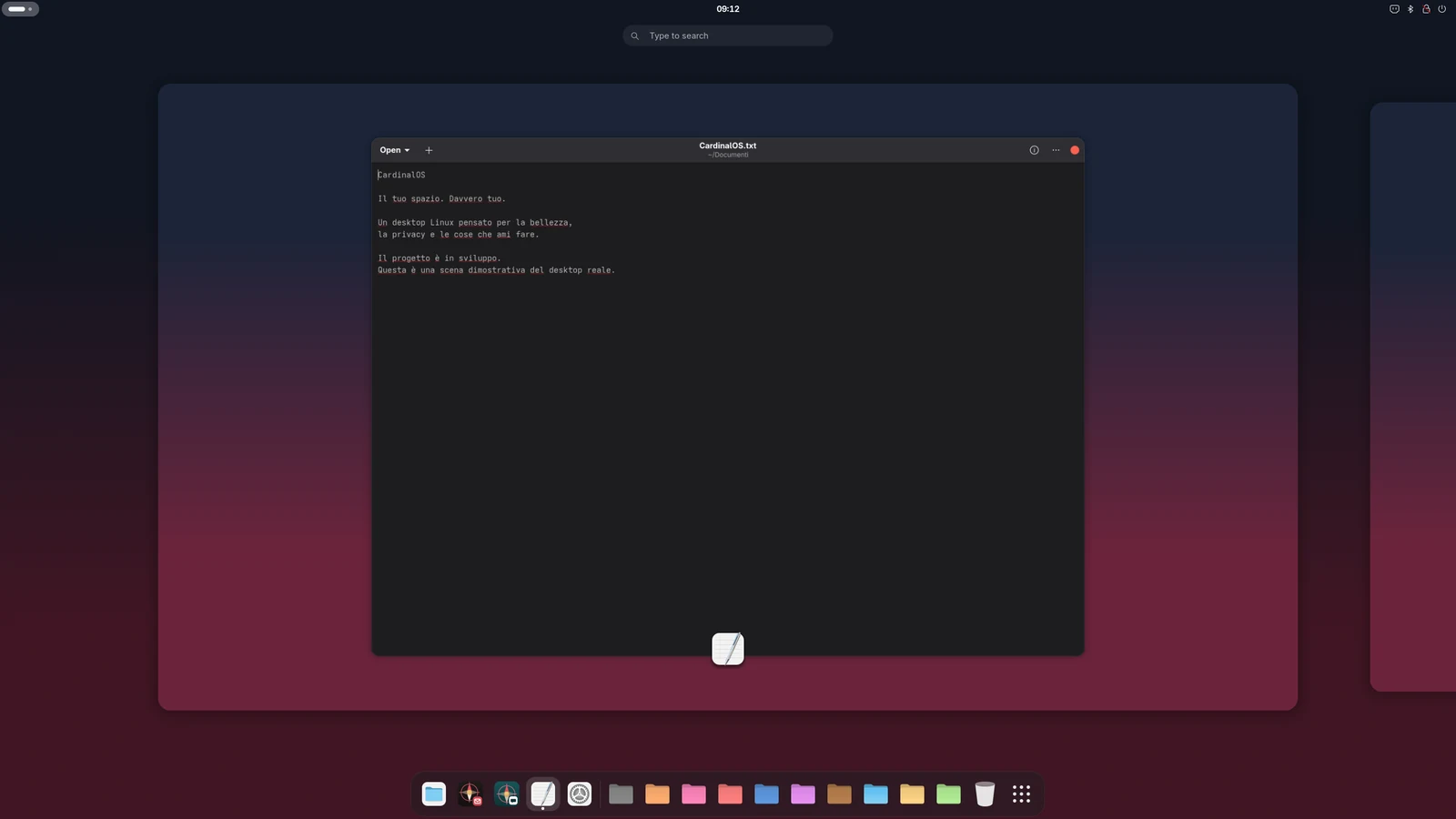
Software engineeringWe are designing CodLab’s upcoming desktop operating system for people moving from macOS or Windows who want a coherent everyday computer for work, study, creative projects, and gaming: a planned Fedora Atomic & GNOME foundation, the in-development “Nitida” visual layer, ten planned applications in the Cardinal Family, and a strict no-telemetry design goal.
bootc), explicit portal permissions for sandboxed apps, and a design goal of zero system profiling.
Current status (November 2026): CardinalOS is in development. No public release or downloadable ISO image exists yet. Double opt-in notifications are open at cardinalos.org (one email upon first release, no newsletter tracking).
 CardinalOS
GNOME dev session
In practice
Software for everyday work: our own products and selected work for clients.
Explore the projectsHow we limit data access, check answers and ship changes safely.
Read the Engineering NotesThe next decision is yours
Tell us about your task, your data and the boundaries your system needs to respect.
We reply within 24 hours on working days.